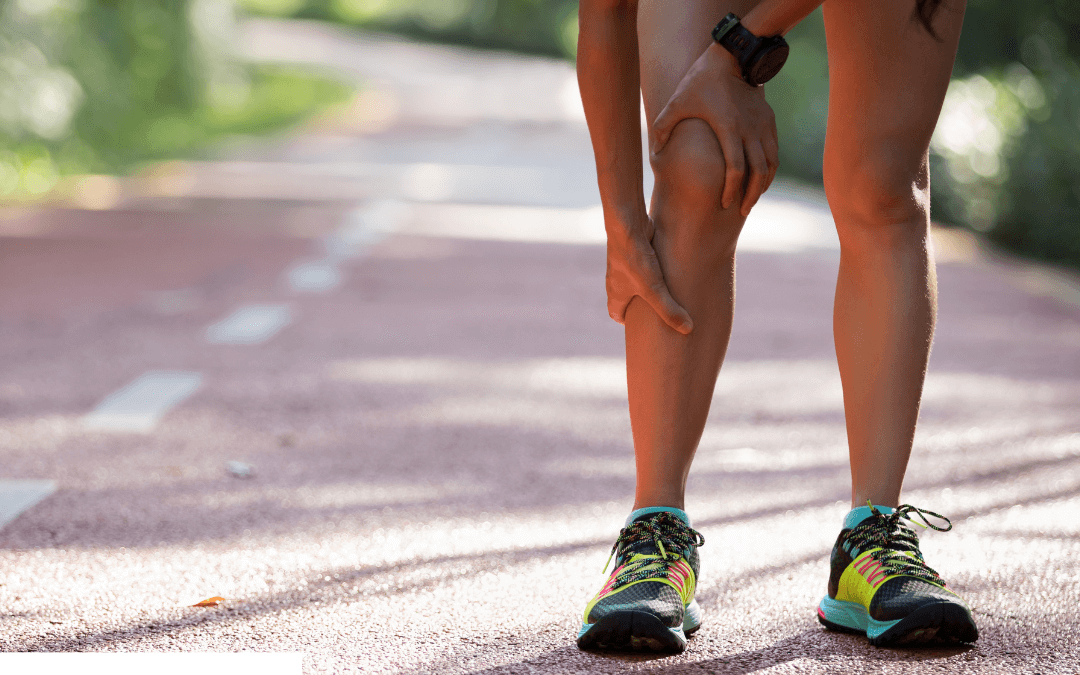
Running injuries are frustrating as running is one of the most popular and accessible forms of exercise in our great city Toronto. Whether you’re training for a marathon, jogging through High Park, or pounding the pavement along the Toronto Waterfront Trail, the benefits of running are undeniable. But like any repetitive physical activity, running can take a toll on your body—especially when training volume, technique, or footwear aren’t ideal.
Shawn Williams Physiotherapy, is an at home physiotherapy service in Toronto. Shawn Williams, an expert physiotherapist treats a wide range of running injuries every year. Below are the five most common injuries we treat—and how physiotherapy can help you recover and prevent them.
1. Runner’s Knee (Patellofemoral Pain Syndrome)
What is it?
Runner’s knee is characterized by dull, aching pain around or behind the kneecap. It often worsens when walking downstairs, squatting, or after sitting for extended periods.
Why it happens:
Poor tracking of the kneecap due to muscle imbalances, weak hip stabilizers, weak quads, tight quads, heavy heel strike, or overtraining can lead to increased joint stress.
How Shawn can help:
Shawn can assess biomechanics, strengthen supporting muscles, use manual therapy, dry needling and taping techniques to reduce pain and restore proper movement patterns.
Read more on Patellofemoral pain syndrome
2. Shin Splints (Medial Tibial Stress Syndrome)
What is it?
Pain and tenderness along the inner edge of the shinbone, usually felt during or after running.
Why it happens:
A sudden increase in training volume, poor footwear, weak feet and lower extremities, poor biomechanics, and poor ankle mobility can contribute to inflammation of the muscles and tendons around the tibia.
How Shawn can help:
We focus on activity modification, soft tissue release, dry needling, foot strengthening, and gradual return-to-run programs with proper gait retraining.
3. Plantar Fasciitis
What is it?
Stabbing heel pain, especially with the first steps in the morning or after long periods of rest.
Why it happens:
Sudden increase in training volume or intensity, tight calf muscles, poor foot biomechanics, weak feet, and poor ankle mobility can strain the plantar fascia.
How Shawn Can Help:
Shawn uses a combination of manual therapy, dry needling, stretching protocol, taping and personalized strengthening routines to reduce tension and inflammation.
Read more on plantar fasciitis
4. Achilles Tendinopathy
What is it?
Pain or stiffness in the Achilles tendon, typically felt during or after running, and often worse in the morning.
Why it happens:
Repetitive strain, tight calves, or improper footwear can cause microtears in the tendon, leading to chronic inflammation or degeneration.
How we help:
Eccentric loading exercise, manual therapy, dry needling, and progressive return-to-activity plans to rebuild tendon strength.
Read more on Achilles Tenonopathy
5. Iliotibial (IT) Band Syndrome
What is it?
A sharp or burning pain on the outside of the knee, particularly noticeable when running downhill or after long distances.
Why it happens:
Tightness in the IT band, weak hip abductors, or poor running form can cause friction between the IT band and the knee.
How Shawn can help:
Treatment includes myofascial release, hip stabilization exercises, gait analysis, and neuromuscular retraining to correct underlying imbalances.
Read more on Iliotibial Band Syndrome
Prevention Is Key
While running injuries can happen even with the best intentions, prevention and early intervention make all the difference. At Shawn Williams Physiotherapy, we take a holistic and personalized approach to care—whether you’re a seasoned runner or just starting out.
If you’re feeling persistent pain during or after your runs, don’t wait until it sidelines you. Book a phone consultation today and let us help you run stronger, smarter, and pain-free.